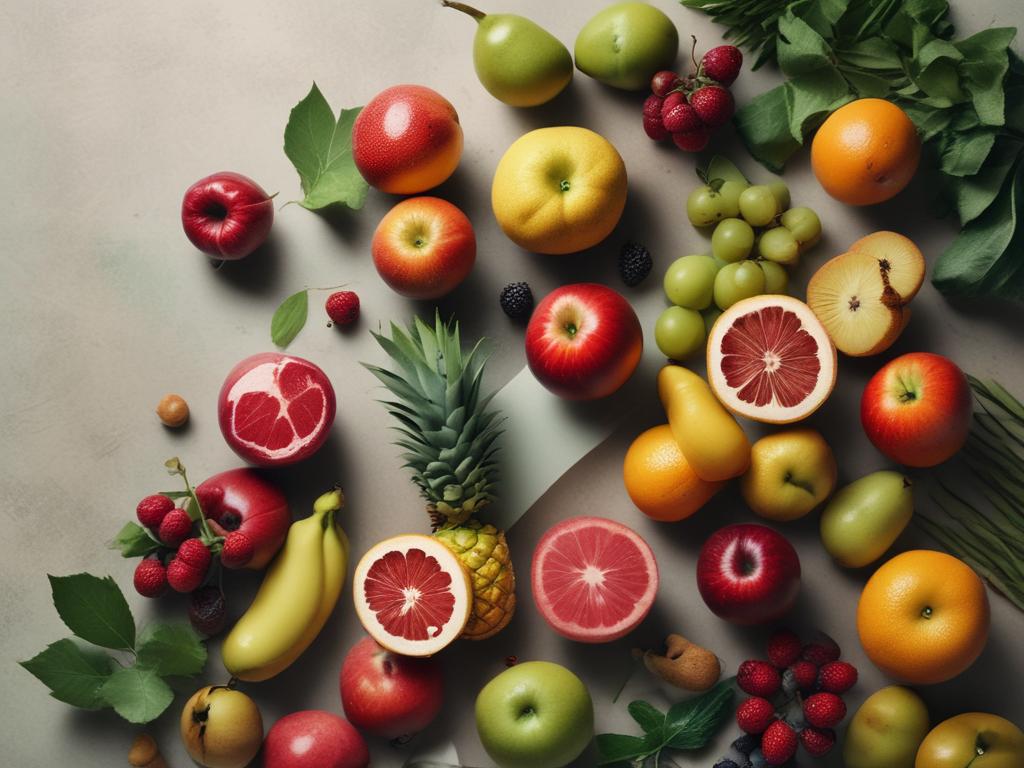
Fruits have long been celebrated for their vibrant colors, delicious flavors, and essential nutrients, but their role in education often goes unnoticed. Discover how incorporating fruit into school programs enhances learning and health, as evidence increasingly shows that a diet rich in fruits supports cognitive function and boosts academic performance. By recognizing the link between nutrition and education, schools can unlock the full potential of their students, creating a healthier and more conducive learning environment.
As educators and policy-makers strive to improve academic outcomes, prioritizing fruit in school programs presents a powerful opportunity. The dual benefits of fruit not only foster healthier students but also enhance learning outcomes, setting the stage for lifelong success. In this blog post, we will explore actionable strategies for integrating fruit into school initiatives, demonstrating how a simple change in dietary focus can yield lasting, positive impacts on both health and learning.
Unlocking potential: How fruit fuels academic success in schools
Incorporating fruit into school programs serves as a vital element in unlocking students' potential. Fruits are rich in essential vitamins, minerals, and antioxidants that support brain health, leading to improved cognitive function and memory. Studies reveal that students who consume a diet abundant in fruits tend to perform better academically. By providing fresh fruit in school cafeterias, classrooms, or snack time, we can create an environment that fosters learning and concentration. The vibrant colors and appealing textures of various fruits can also stimulate students’ senses, making them more engaged and attentive during lessons.
Beyond their nutritional benefits, fruits help cultivate healthy habits at a young age. When schools prioritize fruit consumption, they encourage students to make healthier food choices, leading to better overall well-being. This, in turn, translates to lower instances of fatigue, absenteeism, and behavior issues, allowing students to focus on their studies. By promoting a culture that values healthy eating, schools equip students with lifelong habits that can enhance their academic success and personal growth. In essence, incorporating fruit into the educational landscape is not just about health; it’s a strategic move to create an environment where learning flourishes.
The dual benefits of fruit: Enhancing health and learning outcomes
Incorporating fruit into school programs not only supports children’s health but also significantly boosts their cognitive abilities. Studies have shown that fruits packed with vitamins, minerals, and antioxidants contribute to improved brain function, focus, and memory retention. Students who consume a diet rich in fruits experience better concentration and lower instances of fatigue during class. By providing accessible and appealing fruit options, schools empower students to make healthier choices, leading to enhanced academic performance and an overall increase in classroom engagement.
Moreover, the health benefits of fruit extend beyond academic success. Regular fruit consumption plays a crucial role in reducing the risk of chronic diseases, promoting healthier habits, and establishing a foundation for lifelong wellness. Schools that prioritize fruit in their meal programs set a strong example for students, encouraging them to appreciate the importance of nutrition. This dual approach not only nurtures the mind but also cultivates a culture of health within educational settings, ultimately shaping a generation that understands the vital link between diet, well-being, and learning.
Actionable strategies: Incorporating fruit into school programs for lasting impact
Incorporating fruit into school programs requires intentional planning and creativity. First, schools can establish fruit-based snack programs that replace traditional vending machine offerings with fresh options. By partnering with local farms or grocery stores, schools can provide fresh, seasonal fruits that not only support local agriculture but also ensure students have access to nutritious snacks. Educators can also integrate fruit into classroom activities, such as cooking lessons where students learn to prepare fruit salads or smoothies. These hands-on experiences promote healthy eating habits while reinforcing lessons in nutrition, biology, and even mathematics.
Additionally, schools can organize fruit-themed events to foster a culture of healthy eating. Initiatives like Fruit Fridays or seasonal fruit festivals encourage students to try new varieties and learn about their health benefits. Teachers can incorporate lessons on the importance of fruits into their curricula, creating interdisciplinary projects that involve art, science, and even history. By engaging students in various ways, schools can make healthy eating a fun and integral part of their learning environment. Through these strategies, schools not only enhance students' health and academic performance but also cultivate lifelong habits for a healthier future.